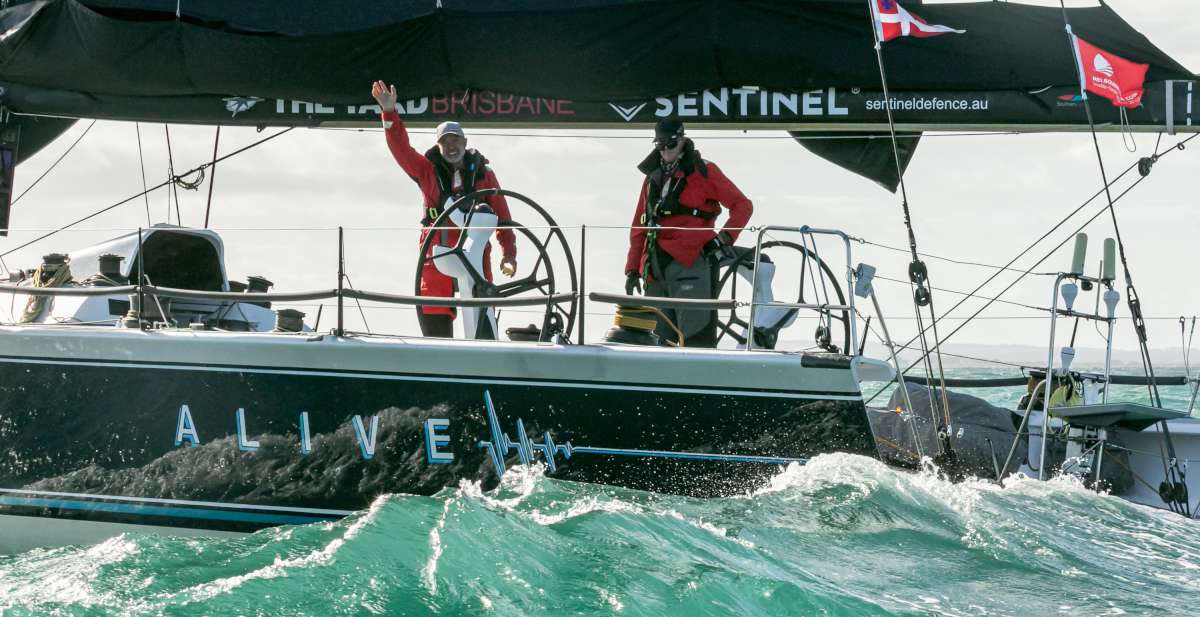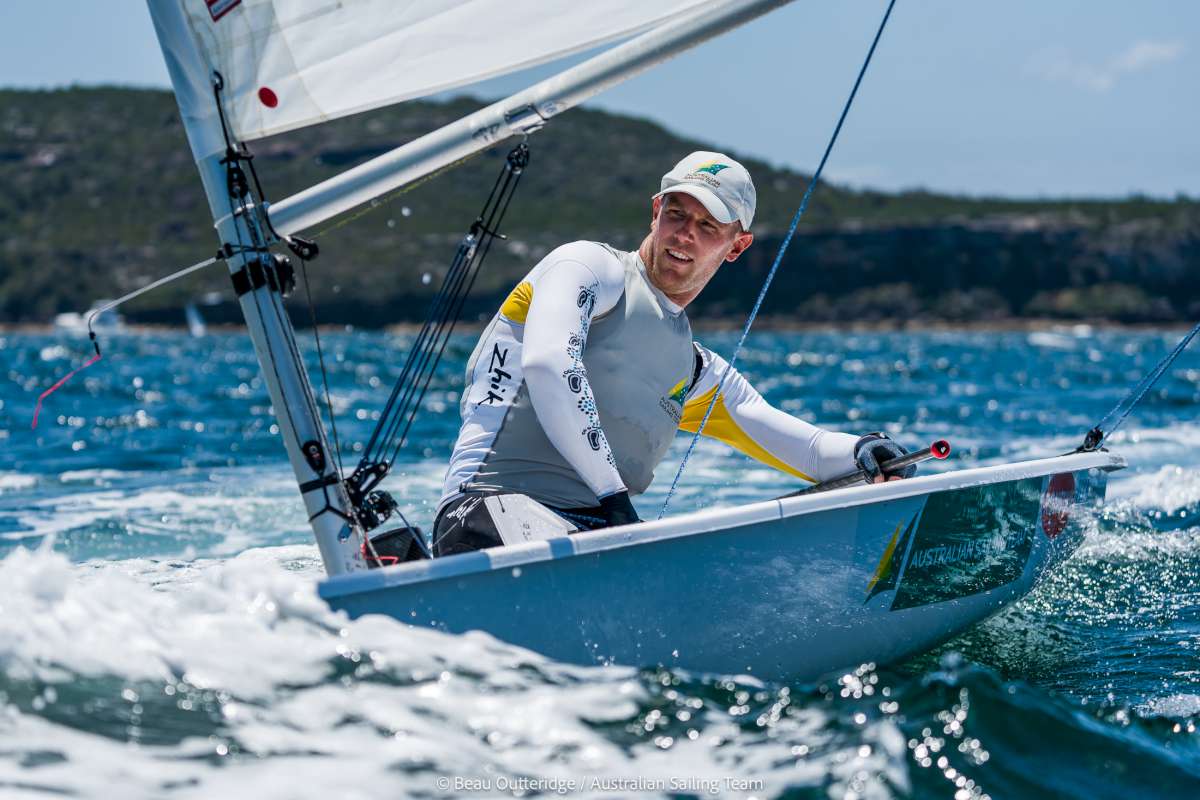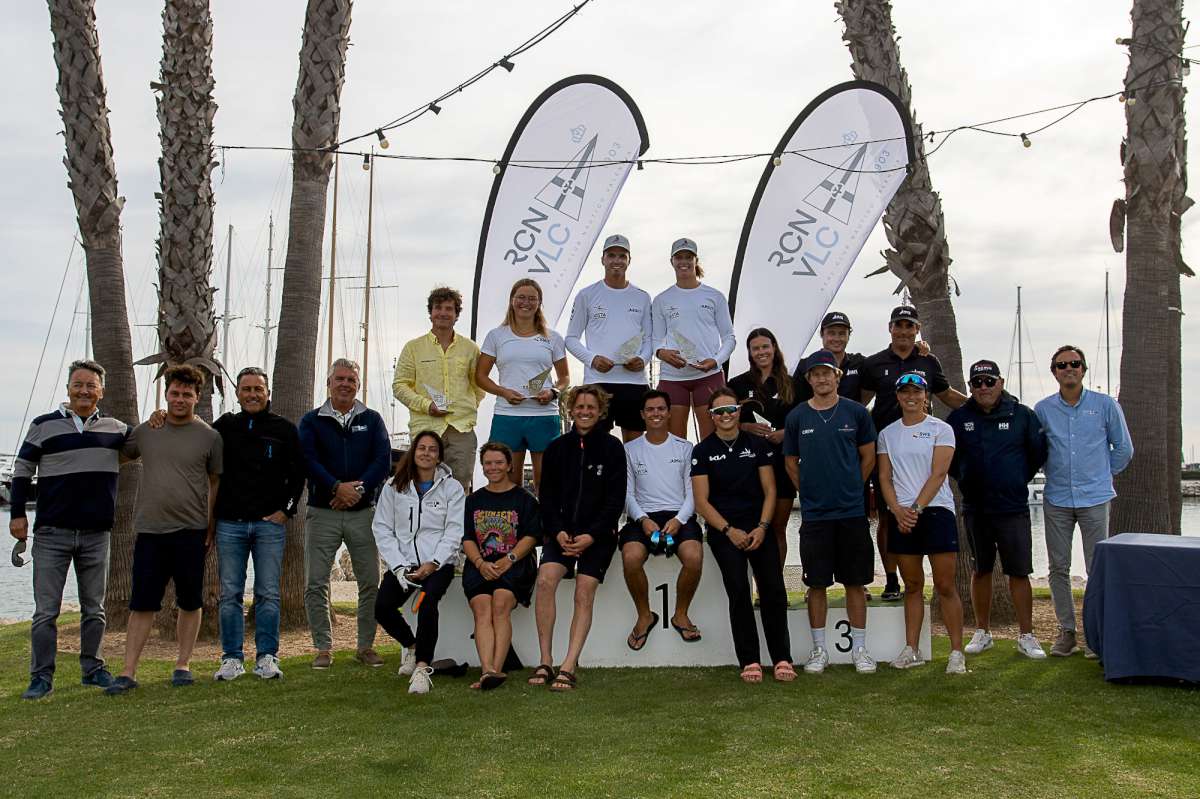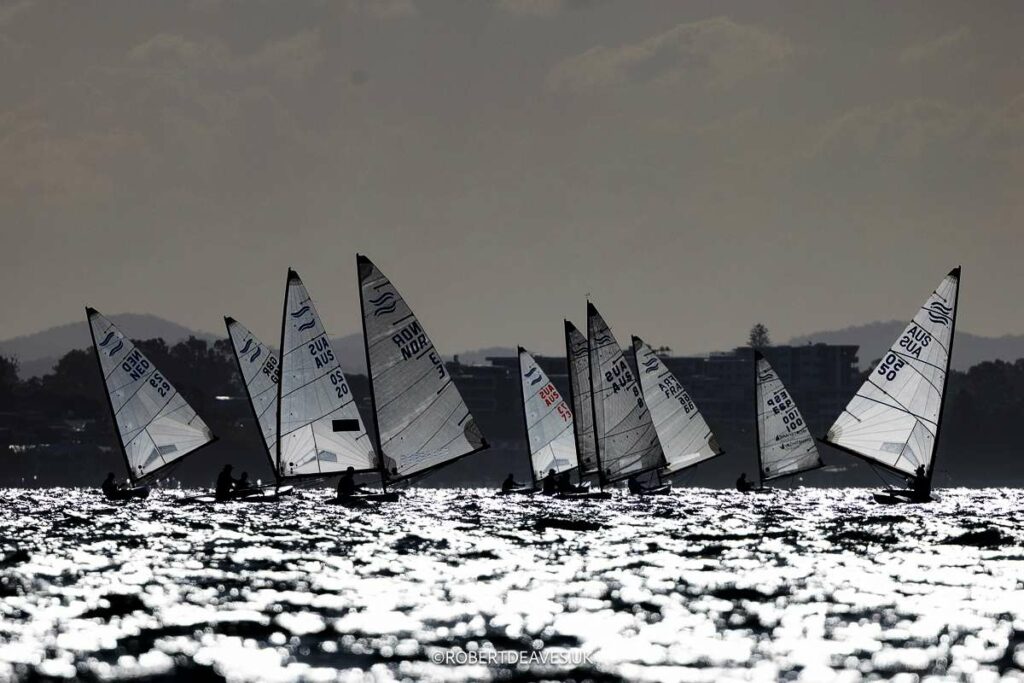
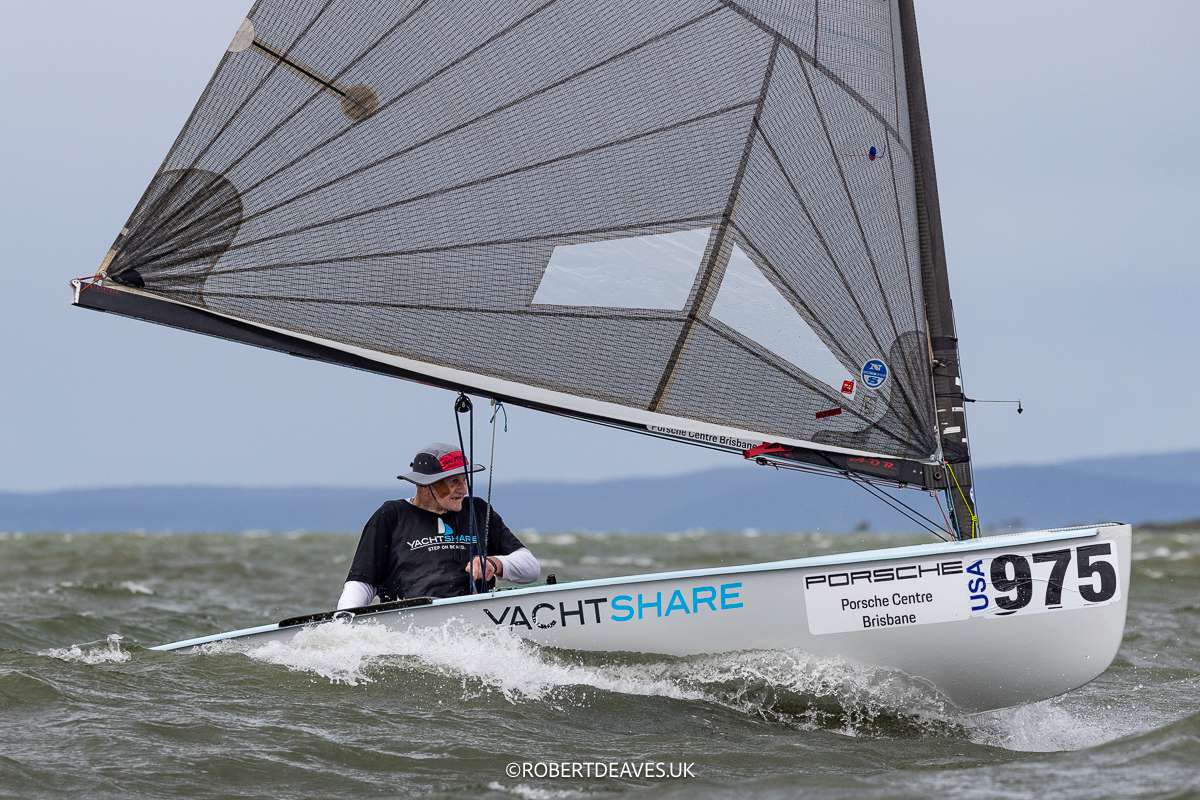
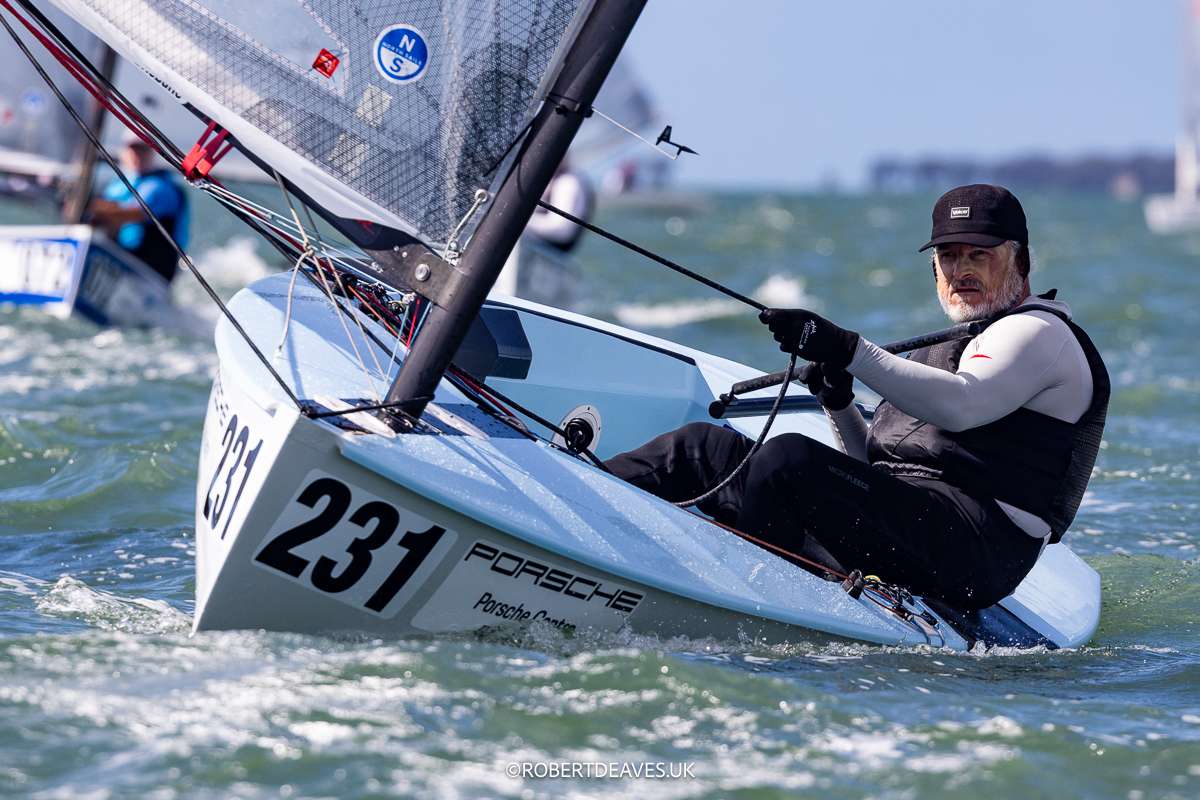
After an incredible three weeks of Finn sailing at the Royal Queensland Yacht Squadron, many bodies may be broken and a few egos destroyed, but the collective pride of a monumental achievement will survive for a long time. The triple challenge of major events back-to-back had never been attempted before, but what an event and experience it was. It will go down as a new legend in the annals of Finn sailing.
The Porsche Centre Brisbane Australian Championship, Finn Gold Cup, and Finn World Masters attracted 150 sailors from 18 nations for a festival of racing, camaraderie, and endurance. Everyone was tested to new limits, new records achieved, and two deserving winners emerged. Despite the ongoing situation disrupting some European sailors’ plans, the success of this Finn-buary in Brisbane was undisputed.
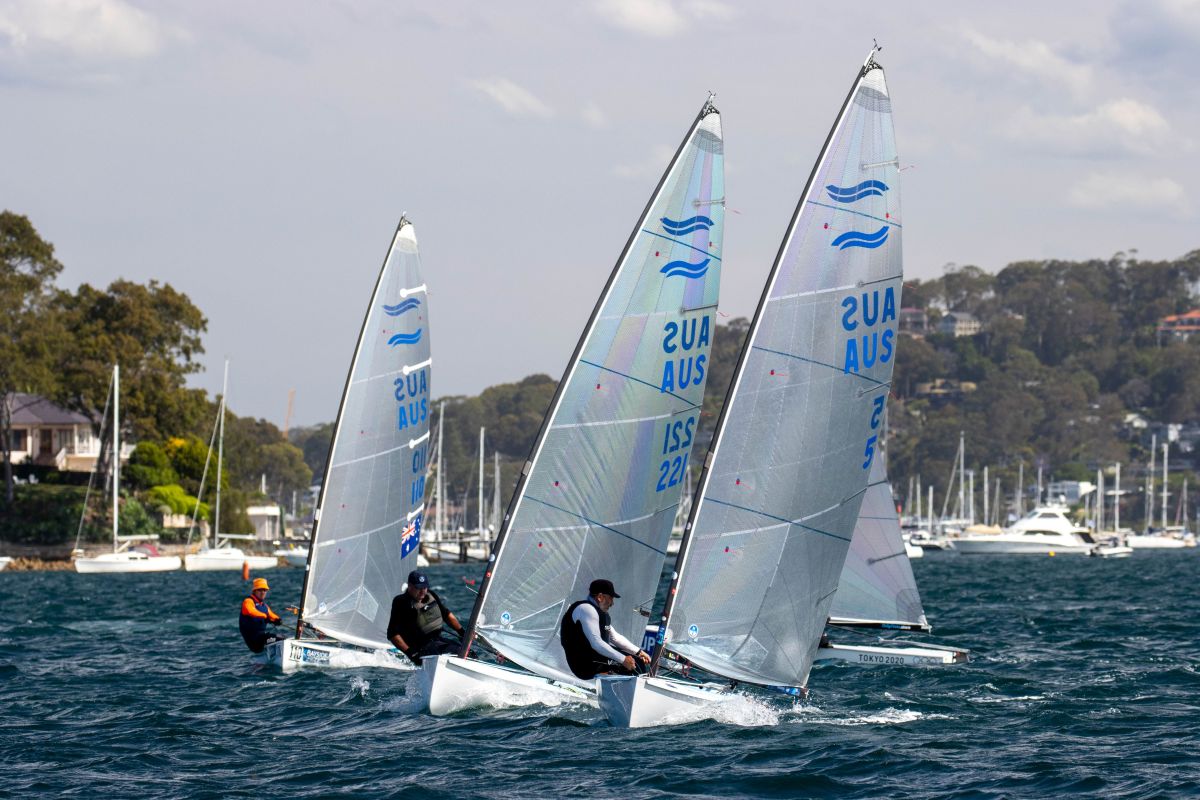
The 70th Finn Gold Cup was marked by firsts and extremes, showcasing fortitude and perseverance. With 72 entries, it was the largest Gold Cup outside Europe since 2015. The event took place in challenging conditions near Manly, where physical challenges defined the first two days. A GPS error in Race 3 resulted in an unprecedented upwind leg of 2.2 miles lasting 43 minutes for the leading boat. Despite exceeding the time limit, the Race Committee decided to proceed, making it a memorable experience.
Norway’s Anders Pedersen initially dominated the event with five race wins, but inconsistent lighter winds on the final day saw Italy’s Alessandro Marega emerge victorious, marking the first Italian win in Gold Cup history. The podium was rounded out by Australia’s Brendan Casey, marking a significant achievement for the nation.
The Finn World Masters commenced just three days after, with 107 entries from 17 countries. Even amid challenging conditions, Casey clinched victory by a mere point, becoming the first Australian to do so. Participation included 15 competitors over 70 years old, illustrating the enduring spirit of the Finn community, exemplified by the impressive performances of legends like Gus Miller, who returned at 91 years old.
Media coverage was remarkable, with the Finn Class achieving over 2.2 million views across various social media channels, the highest numbers since the Rio 2016 Olympics. This extensive engagement was supported by the exceptional efforts of the social media team and local volunteers.
The year ahead
Never before have both major championships been held so early in the year, and with the annual highlights over, it would be easy to rest up and let the coming European season just happen. But that’s far from the case with many events and new initiatives in the pipeline. The Open Europeans in Gydnia, Poland, is in just over three months’ time, already oversubscribed past the 120-boat limit, while more than 200 boats are expected for the European Masters on Mar Menor, Spain, in October.
In addition, the World Tour for Finns and the inaugural WTF Grand Slam will focus attention on key events during the year.
The Finn class is experiencing extensive revitalisation and renewal. Five years on from the notorious decisions of 2021, the class is stronger than ever, bigger than ever, more in demand than ever, with new ideas, initiatives and vitality, and pulling in more and more top sailors.
The future is bright; the future is Finn shaped. Classic Finn enthusiasm.
Robert Deaves
#FinnClass #SailingAustralia #PorscheCentreBrisbane
Interested in seeing more Racing News? Click here