When severe weather is approaching, the time to start preparing your boat isn’t when the wind is already building.
That’s one of the clear messages from specialist marine insurer Pantaenius, which continues to deal with weather-related boat damage year after year.
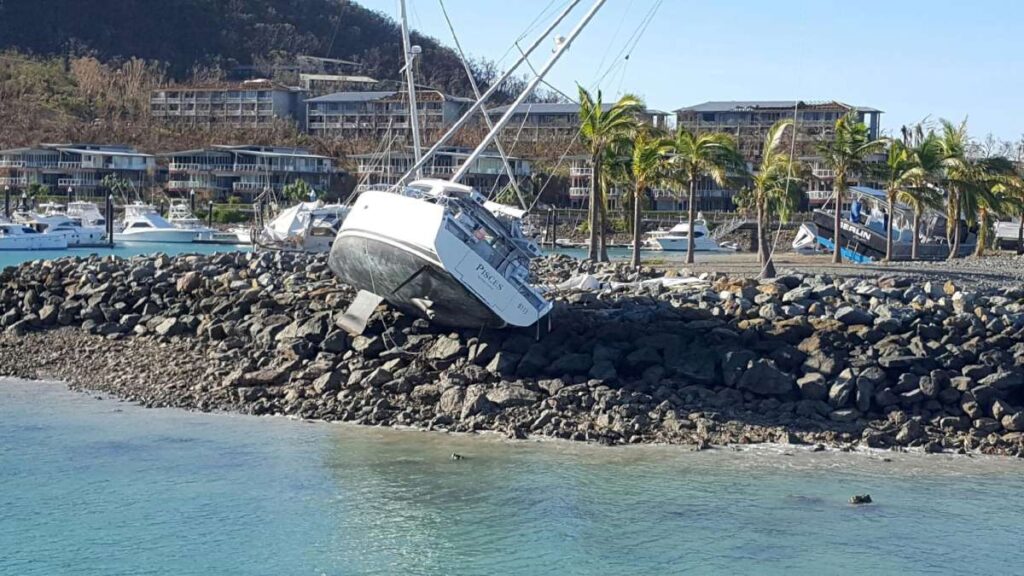
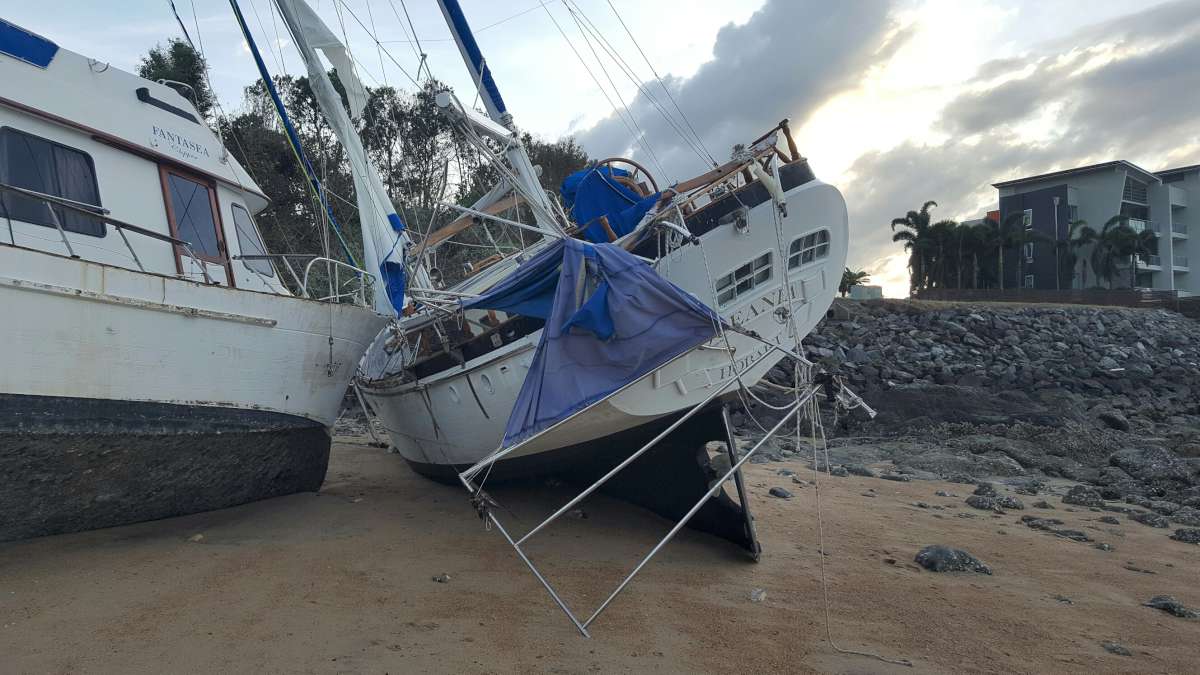
Lightning strikes and multi-day storm events remain among the weather-related incidents the company sees, while its claims team has also dealt with vessels damaged by cyclones and other major weather events.
The experience has reinforced a simple message for boat owners: prepare early.
Don’t wait for the forecast to become urgent
Pantaenius recommends preparing your boat before severe weather is imminent.
Owners should review their marina or cyclone plan, inspect moorings, remove or properly secure sails and loose equipment, protect vulnerable openings and make sure batteries are charged.
Pumps and alarms should also be checked to ensure they are operational.
For boats kept on moorings, checking the condition of mooring lines and associated equipment should form part of regular maintenance rather than being left until severe weather is approaching.
Most importantly, owners should never put themselves at risk by leaving preparations until the last moment.
A boat can be repaired or replaced. Putting yourself in danger trying to make last-minute preparations as conditions deteriorate is another matter entirely.
Different parts of Australia face different risks
Australia’s storm risk changes significantly from north to south. In northern Australia, the major concern is tropical cyclones, with the potential for extreme and widespread weather events. Further south, the risk is generally less about cyclones and more about severe thunderstorms, east-coast lows, strong fronts and other intense weather systems. These events can still cause serious damage to vessels, as seen during the severe storms that hit South East Queensland over Christmas 2023, when destructive winds, giant hail and intense rainfall affected Brisbane and the Gold Coast, including a 169 km/h wind gust recorded in South Brisbane.
For boat owners, summer is particularly important to watch. The Bureau of Meteorology notes that thunderstorms are most common across Australia between September and March, and lightning is an inherent risk with any thunderstorm. While there is not always much you can do to prevent lightning damage, checking your boat promptly after a significant storm is an important precaution. Make sure bilge pumps are operating, check for unexpected water ingress and confirm that key electrical and electronic equipment is functioning normally. A quick inspection can identify a problem before a relatively minor storm-related issue becomes a much bigger one.
Pantaenius says that whatever your location, your marina or mooring is your first line of defence. Make sure you regularly check that mooring lines are strong, appropriately sized and free from significant wear, chafe or UV deterioration — a line that looks fine at the start of the season may not be up to the job after months of exposure. In northern Australia, vessels should be secured in an appropriate cyclone-rated marina or cyclone storage facility where available, with lines and fenders doubled up and secured in accordance with the marina’s requirements.
Pantaenius also highlighted that regardless of where your boat is kept, ensure you secure or remove loose items such as cushions, covers and other deck equipment so they cannot become airborne or cause damage. Before a storm arrives, also check that your bilge pumps and backup systems are working correctly and that the vessel is watertight, with hatches, windows and other potential points of water ingress properly secured. These simple checks can make a significant difference when the weather turns.
Can technology provide an early warning?
Increasingly, boat owners can also use technology to keep an eye on their vessel when they’re not aboard.
Remote monitoring systems can provide alerts for water ingress, loss of shore power, low battery voltage, fire, unexpected movement or unauthorised access.
During periods of severe weather, knowing something has changed aboard the boat may provide valuable early warning of a developing problem.
There is, however, an important qualification.
Monitoring technology is only useful when alerts are actively monitored and acted upon.
Pantaenius expects remote vessel monitoring, integrated systems and automated emergency alerts to become increasingly common as onboard technology continues to develop.
What if the boat is damaged?
If something does go wrong, Pantaenius recommends contacting your insurer early — even if you’re initially unsure whether the incident will result in a claim.
“Good communication changes everything,” the Pantaenius team says.
Early involvement can help protect the vessel, preserve evidence, control costs and prevent further damage.
Major weather events can affect many vessels simultaneously and create significant demand for repairers, surveyors, salvors and other marine specialists, making early communication particularly important.
Don’t be afraid to ask before the storm
One of the more interesting pieces of advice from Pantaenius isn’t about what to do after severe weather. It’s about asking for help beforehand.
The team says it would like boat owners to feel comfortable contacting their insurer when they’re uncertain about their policy or how they’re preparing their boat.
That could be something as straightforward as asking for feedback about how a vessel has been secured ahead of a forecast cyclone.
Pantaenius says owners shouldn’t be concerned that they’ll be reprimanded for asking questions. The team would rather customers seek advice while there’s still an opportunity to act.
Prepare early and have a plan
Severe weather will always be part of boating in Australia, and exactly how you prepare will depend on where your boat is located and how it is stored.
But some principles apply wherever you keep your boat.
Maintain the vessel and its mooring equipment throughout the year. Understand your marina or local severe-weather plan. Keep an eye on batteries, pumps, alarms and other critical systems. Secure sails and loose equipment early and know what you’re going to do before conditions deteriorate.
And if you’re unsure about your insurance or how it applies to your situation, ask before the storm arrives.
Good preparation can’t prevent severe weather, but it can put you and your boat in a much better position when it does arrive.
MySailing Marine Insurance Series – with Pantaenius
This article is part of the MySailing Marine Insurance Series with Pantaenius, covering practical issues that Australian boat owners should consider before they need to make an insurance claim.
Read our earlier articles in the series:
Beyond the Fine Print: What Every Australian Boat Owner Should Know About Marine Insurance,
Boat Maintenance and Insurance: The Problems Owners Shouldn’t Ignore,
Racing Your Yacht? It Pays to Check Your Insurance Before the Start
Taking Your Yacht Overseas? Talk to Your Insurer Before You Leave.
Find out more about Pantaenius and its specialist marine insurance for Australian boat owners at pantaenius.com.
#PantaeniusAustralia #MarineInsurance #BoatInsurance #YachtInsurance #SailingAustralia #BoatOwnership
Interested in seeing more Boat & Gear News?