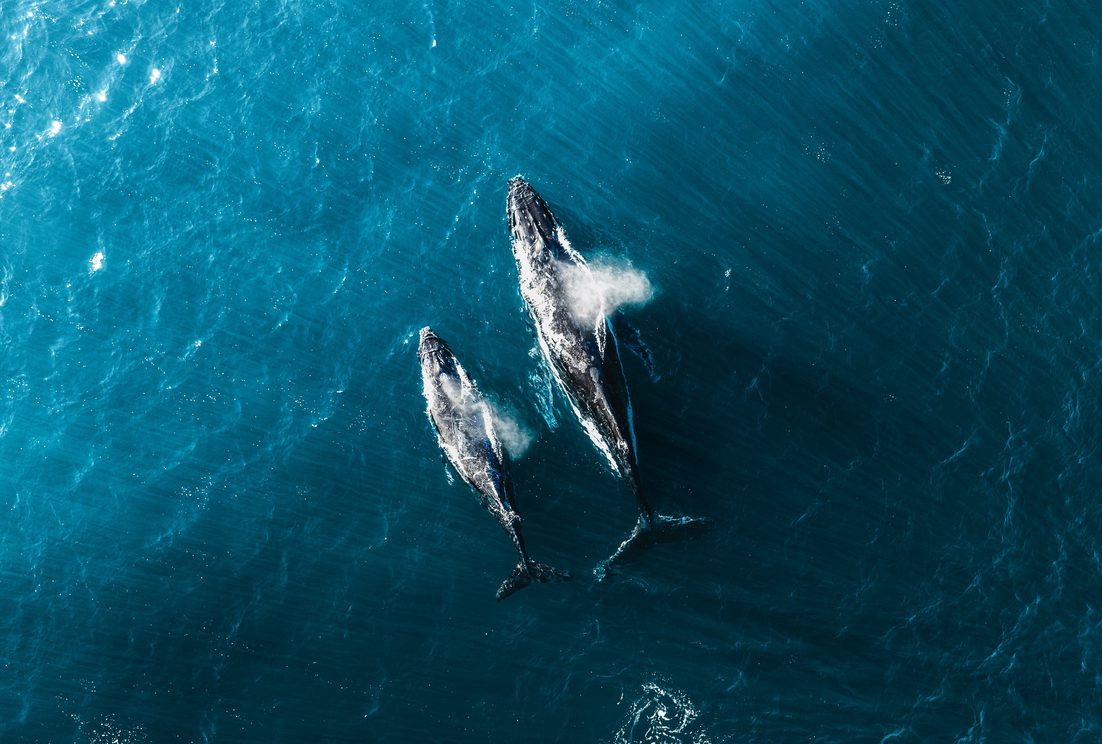
World Sailing and the Marine Mammal Advisory Group (MMAG) have released the groundbreaking Marine Megafauna in Sailing guidelines. These comprehensive guidelines aim to assist sailors, events, and federations in minimising the risk of vessel strikes on marine megafauna globally.
Data from the Marine Strike Log indicates that half of the reported strikes result in injury or death to the animals, as well as damage to vessels. The guidelines have been developed to aid the sailing community in understanding and managing the risks associated with these interactions.
Co-authored by the two organisations, the guidelines serve as a blueprint for integrating environmental responsibility alongside technological and data advancements in competitive sailing and recreational boating, based on MMAG’s six-pillar strategy: Source & Share Information, Risk Assessment, Live Reporting, Technical Solutions, Education & Outreach, and Collaboration.
Alexandra Rickham, Sustainability Director at World Sailing, remarked, “The launch of these guidelines marks a pivotal moment for our sport. By establishing a unified, global approach, we are ensuring a clear, consistent, and responsible application across all events and classes. This alignment is vital for the long-term health of our oceans and the integrity of sailing.”
The guidelines go beyond mere avoidance strategies, proposing the establishment of a ‘Nature Action Plan,’ a protocol that events should implement to mitigate the risks to marine biodiversity. MMAG has provided a customisable Nature Action Plan template that directs events and teams in their risk evaluation and management planning.
A number of practical case studies from major events—including The Ocean Race, the E1 Series, and others—demonstrate best practices that can be adapted across the industry, showcasing actionable insights into biodiversity management.
Examples of recommended practices include:
- Relocating racecourse areas away from significant biodiversity when necessary.
- Utilising marine mammal observers and reporting networks.
- Deploying detection technologies, including drone surveillance.
A consistent theme throughout the guidelines is the focus on planning, protocols, stakeholder involvement, and communication rather than relying solely on a definitive solution. The guidelines advocate for industry-wide solutions that emphasise education, understanding local species, their habitats and behaviours, and robust data collection.
Damian Foxall, co-founder of the Marine Mammal Advisory Group, stated, “These guidelines are a testament to the power of multi-stakeholder collaboration, bringing together the world’s best marine scientists with the sailing community.”
Sailors are encouraged to become citizen scientists by reporting their encounters through applications such as Whale Alert, through their onboard hazard reporting system, or by anonymously documenting historic strikes via the Marine Strike Survey.
The Marine Megafauna in Sailing guidelines are available for immediate access on the World Sailing website and the MMAG’s website. Learn more about the Marine Mammal Advisory Group and participate in the Marine Strike Survey at https://mmag.world.
#MarineLife #Sailing #SustainableBoating #Conservation #MarineConservation